
- By
- December 16, 2025
- Transport
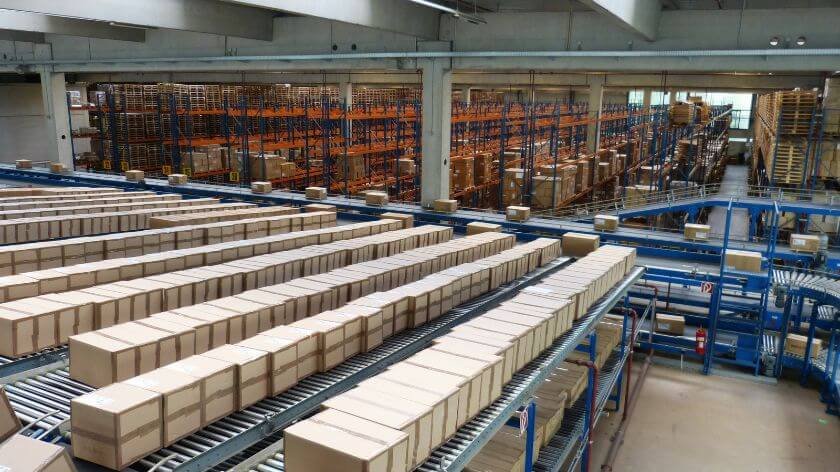
In the modern global economy, the movement of goods does not begin with transportation alone. Effective logistics starts with proper packaging, followed by well-coordinated transport and distribution processes. Together, packaging and logistics services form the backbone of global trade, ensuring goods are protected, compliant, and delivered efficiently across international markets.
As supply chains grow more complex and international trade volumes increase, the integration of packaging and logistics services has become essential to meeting customer expectations and maintaining operational reliability worldwide.
The Role of Packaging in Global Logistics
Packaging is a critical element of the logistics process, serving both protective and operational functions. Proper packaging safeguards goods against physical damage, environmental exposure, and handling risks throughout transit.
Beyond protection, packaging also supports efficient storage, handling, and transport. Well-designed packaging allows for better space utilisation, easier stacking, and faster loading and unloading, directly contributing to cost efficiency and operational speed.
In international logistics, packaging must also comply with regulatory and customs requirements, including labelling standards, material restrictions, and safety guidelines.
Logistics Services: Connecting Global Supply Chains
Logistics services enable the seamless movement of goods from manufacturers to markets across the world. These services encompass transportation, warehousing, inventory management, and distribution, all coordinated to ensure timely and accurate delivery.
By leveraging road, air, and sea transport networks, logistics providers create flexible solutions tailored to cargo type, destination, and delivery timelines. Integrated logistics services reduce delays, minimise handling errors, and provide greater control over complex international shipments.
Modern logistics platforms further enhance efficiency through real-time tracking, digital documentation, and centralised shipment management.
Integrated Packaging and Logistics Solutions
The integration of packaging with logistics services offers significant advantages for global supply chains. When packaging is designed with transport and storage in mind, it reduces handling risks, improves space utilisation, and ensures smoother transitions between transport modes.
Integrated solutions allow goods to move from packaging to warehousing and onward transport without unnecessary repacking or delays. This approach enhances consistency, reduces operational costs, and improves overall supply chain reliability.
For industries such as manufacturing, retail, pharmaceuticals, and electronics, integrated packaging and logistics solutions support faster market access and improved product integrity.
Global Reach and Industry Applications
Packaging and logistics services support a wide range of industries worldwide, including consumer goods, industrial manufacturing, healthcare, agriculture, and technology. Each sector has unique requirements, from temperature control and fragile handling to regulatory compliance and traceability.
Global logistics providers adapt packaging solutions to meet regional standards and transport conditions, ensuring goods arrive safely regardless of distance or destination. This global reach enables businesses to expand into new markets with confidence.
Technology and Innovation in Packaging and Logistics
Advancements in technology have transformed both packaging and logistics operations. Smart packaging solutions, improved materials, and automated handling systems contribute to greater efficiency and sustainability.
Digital logistics platforms provide real-time visibility, enabling proactive decision-making and improved coordination across global supply chains. These innovations help businesses respond to market demands while maintaining consistent service quality.
Sustainability in Packaging and Logistics
Sustainability has become a key focus in global logistics. Efficient packaging design reduces material waste, while optimised logistics routes lower fuel consumption and emissions.
By adopting environmentally responsible packaging materials and efficient transport strategies, logistics providers contribute to more sustainable supply chains without compromising operational performance.
Conclusion
Packaging and logistics services are inseparable components of global trade. Together, they ensure goods are protected, compliant, and efficiently delivered to markets worldwide.
By offering integrated packaging and logistics solutions, service providers support resilient supply chains, enable international commerce, and help businesses navigate the complexities of global distribution with confidence.