
- By
- November 25, 2025
- Logistics
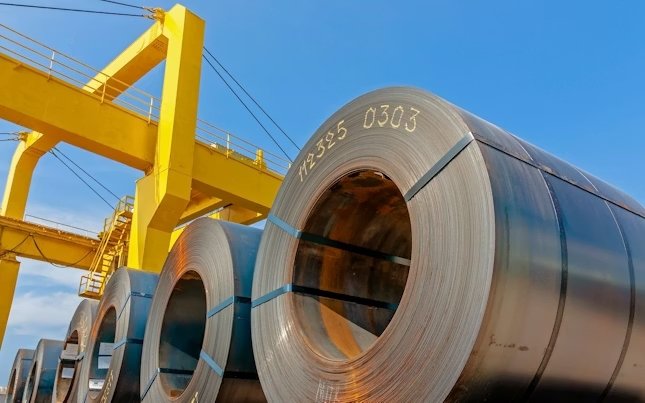
Efficient factory transport is a critical component of industrial operations, ensuring the smooth movement of raw materials, components, and finished goods between production facilities and distribution networks. In many regions, public or publicly regulated transport operators play an important role in supporting factory transport, providing structured, reliable, and compliant logistics services to industrial zones and manufacturing hubs.
As global manufacturing continues to expand and supply chains become more interconnected, factory transport operated or supported by public entities has become essential to maintaining production efficiency and economic stability.
Understanding Factory Transport Services
Factory transport refers to the organised movement of goods, materials, and sometimes workers to and from manufacturing facilities. These services may include scheduled freight movements, dedicated industrial routes, and integrated connections between factories, ports, rail terminals, and logistics centres.
Public operators—such as government-owned transport authorities, municipal logistics services, or state-regulated carriers—often provide or oversee factory transport to ensure consistency, safety, and infrastructure alignment with national industrial policies.
The Role of Public Operators in Industrial Transport
Public operators play a strategic role in factory transport by supporting industries through structured transport networks and regulated service standards. Their involvement helps ensure that essential industrial logistics remain reliable, particularly in key manufacturing sectors and economic zones.
Responsibilities of public operators in factory transport may include:
-
Managing industrial road and rail networks
-
Operating scheduled freight services
-
Maintaining transport infrastructure
-
Enforcing safety and compliance standards
-
Coordinating transport access to ports and terminals
By providing these services, public operators help reduce logistical bottlenecks and support uninterrupted industrial production.
Benefits of Publicly Operated Factory Transport
Operational Reliability
Public transport systems often operate on fixed schedules and regulated routes, providing manufacturers with predictable and dependable transport services essential for production planning.
Cost Stability
Publicly supported transport services can offer stable pricing structures, helping manufacturers manage logistics costs and reduce exposure to market volatility.
Infrastructure Integration
Public operators are closely aligned with national infrastructure planning, ensuring factory transport routes are well connected to highways, rail networks, ports, and industrial parks.
Regulatory Compliance
Transport managed by public operators adheres to national safety, environmental, and labour regulations, reducing compliance risks for manufacturers.
Modes of Factory Transport
Public operators may support factory transport through multiple modes, depending on regional infrastructure and industrial needs:
-
Road Transport – Scheduled or dedicated truck services connecting factories to logistics hubs
-
Rail Freight – High-capacity transport for bulk materials and finished goods
-
Intermodal Services – Combined road and rail solutions for efficient cargo movement
-
Industrial Shuttle Services – Dedicated routes within manufacturing zones
These modes are often integrated to ensure efficient end-to-end logistics.
Supporting Workforce Mobility
In addition to cargo movement, factory transport may also include employee transport services operated or coordinated by public entities. These services support workforce accessibility, reduce congestion, and improve punctuality in industrial areas.
Reliable worker transport contributes directly to productivity, workforce stability, and operational continuity within manufacturing facilities.
Safety and Environmental Considerations
Public operators place strong emphasis on safety and environmental responsibility in factory transport. Vehicles and infrastructure are maintained according to strict standards, and operators are trained to handle industrial cargo safely.
Environmentally efficient transport planning, including rail utilisation and route optimisation, helps reduce emissions associated with industrial logistics and supports sustainable manufacturing practices.
Challenges in Public Factory Transport
Despite its advantages, factory transport by public operators faces challenges such as rising infrastructure costs, increased industrial demand, and the need to modernise ageing transport systems. Coordination between manufacturers and public authorities is essential to address these challenges effectively.
Investment in technology, capacity expansion, and intermodal integration remains critical to meeting future industrial transport needs.
The Future of Factory Transport
The future of factory transport lies in smarter infrastructure, stronger public–private collaboration, and increased use of data-driven planning. Digital scheduling systems, real-time tracking, and integrated transport platforms will enhance coordination between factories and public operators.
As industrial activity continues to grow, publicly supported factory transport will remain a key pillar of resilient, efficient, and sustainable manufacturing supply chains.
Conclusion
Factory transport operated or supported by public operators plays a vital role in enabling efficient industrial production and economic development. By providing reliable, regulated, and well-integrated transport services, public operators help manufacturers maintain smooth operations and competitive supply chains.
Through continued investment and collaboration, public factory transport systems will continue to support global manufacturing and industrial growth in the years ahead.