
- By
- January 25, 2026
- Transport
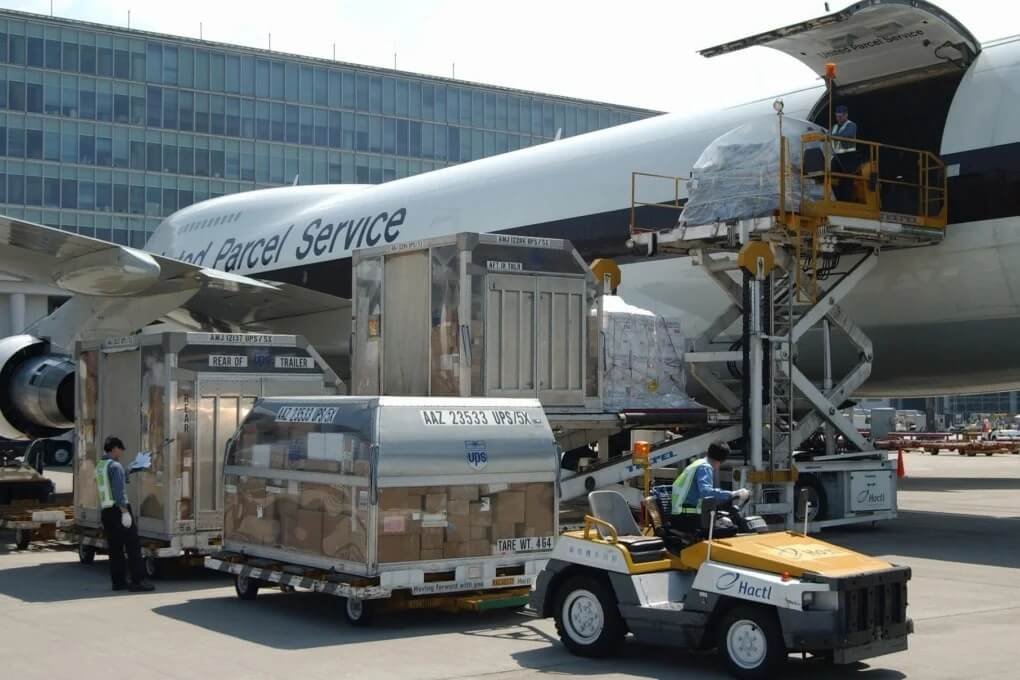
Air transport operated or overseen by public authorities plays a vital role in national and international connectivity. Through state-owned airlines, government-regulated aviation bodies, and public airport operators, air transport services support economic development, emergency response, trade facilitation, and passenger mobility.
In many regions, public operators ensure that air transport remains accessible, safe, and aligned with national infrastructure and development priorities, particularly where commercial services alone may not meet strategic or social needs.
Understanding Public Air Transport Operations
Public air transport refers to aviation services operated directly by government-owned entities or regulated and supported by public authorities. These services may include passenger flights, cargo operations, medical evacuations, disaster relief missions, and essential connectivity to remote or underserved regions.
Public operators often work alongside private airlines and logistics providers, forming a balanced aviation ecosystem that prioritises safety, continuity, and national interests.
The Role of Public Authorities in Air Transport
Public authorities play a central role in maintaining the stability and safety of air transport systems. Their responsibilities extend beyond flight operations and include:
-
Regulation and oversight of aviation safety
-
Management and operation of airports and air navigation services
-
Support for strategic and regional air routes
-
Coordination of emergency and humanitarian air operations
By overseeing these functions, public operators ensure air transport services operate within established international and national standards.
Benefits of Air Transport Operated by Public Entities
Guaranteed Connectivity
Public operators often maintain air routes that are essential for regional development, medical access, and economic inclusion, even where commercial demand is limited.
High Safety Standards
Public aviation services adhere to strict regulatory frameworks, ensuring aircraft maintenance, crew training, and operational procedures meet international safety requirements.
Support for National Logistics
Public air transport supports national supply chains by enabling the movement of critical goods, medical supplies, and emergency cargo during times of need.
Crisis and Emergency Response
Government-operated aviation services play a crucial role in disaster relief, medical evacuations, and humanitarian missions.
Public Air Transport for Cargo and Logistics
In addition to passenger services, public operators often support air cargo operations, particularly for essential goods and strategic freight. These services ensure continuity of supply during emergencies or in regions with limited transport alternatives.
Public cargo operations may also support:
-
Postal and government shipments
-
Medical and pharmaceutical distribution
-
Critical infrastructure and defence logistics
Such services enhance national resilience and logistical preparedness.
Airport Infrastructure and Public Management
Many airports worldwide are owned or managed by public authorities. Public management ensures that airport infrastructure development aligns with long-term national planning objectives, safety requirements, and environmental considerations.
Publicly operated airports support:
-
Fair access to aviation services
-
Infrastructure investment and maintenance
-
Integration with road and rail transport networks
This approach strengthens connectivity while maintaining operational oversight.
Technology and Modernisation in Public Aviation
Public air transport systems are increasingly adopting advanced technologies to improve efficiency and service quality. Digital air traffic management systems, passenger information platforms, and cargo tracking tools enhance operational coordination and transparency.
Investments in modern aircraft, navigation systems, and sustainable aviation technologies reflect a growing commitment to innovation within public aviation operations.
Challenges Facing Public Air Transport Operators
Public air transport operators face challenges such as funding constraints, infrastructure maintenance costs, and evolving environmental regulations. Balancing public service obligations with operational efficiency requires careful planning and collaboration with private sector partners.
Adapting to technological advancements and passenger expectations remains an ongoing priority.
The Future of Public Air Transport
The future of air transport by public operators lies in greater integration, sustainability, and resilience. Enhanced collaboration between public and private stakeholders, investment in green aviation technologies, and digital transformation will shape the next phase of public aviation services.
Public air transport will continue to play a critical role in ensuring equitable access to air travel, supporting national logistics, and maintaining aviation safety worldwide.
Conclusion
Air transport operated by public authorities is a cornerstone of national and international connectivity. Through regulation, infrastructure management, and essential flight operations, public operators ensure that air transport remains safe, reliable, and strategically aligned with public needs.
As global aviation continues to evolve, public air transport systems will remain essential to economic development, emergency response, and sustainable mobility.